
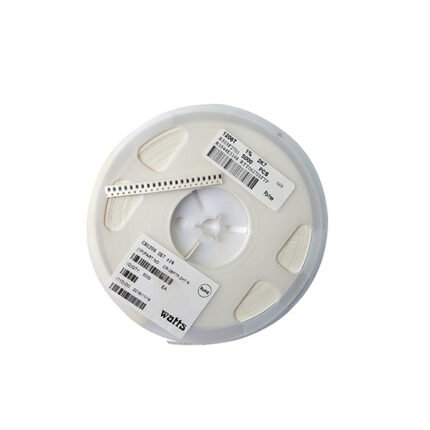
AUTOMOTIVE GRADE THICK FILM CHIP RESISTORS
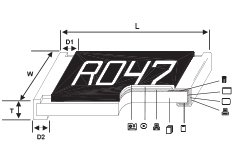
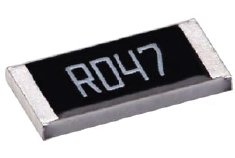
The CR-A series Automotive Grade Thick Film Chip Resistors are manufactured by screening a metal glaze layer on a high grade ceramic body. The different resistance values are obtained by using different compositions of metal glaze. The end contacts are made to ensure optimum solderability and terminal strength. The resistive layers are given a non-flammable protective coating. The CR-A series is AEC-Q200 compliant.
The CR-A series offer a wide range of power ratings from 1/20W to 1W and are available in tolerance ranges of ±1% and ±5% with insulation Resistance ? 1000M?. Miniature size, excellent mechanical strength and electrical stability ensures reduced costs and enhances dependability.
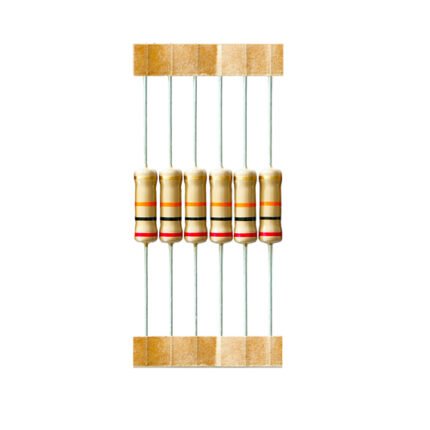
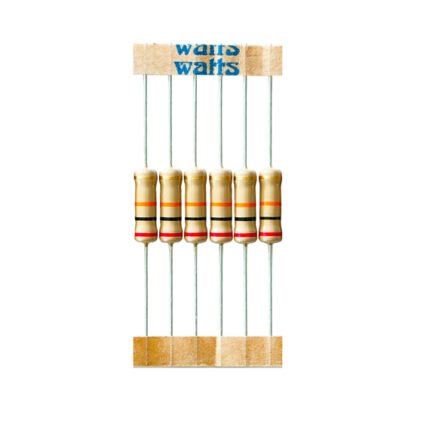
CARBON FILM RESISTORS
The WCF Series Carbon Film Resistors are manufactured using mechanised high vacuum carbonising plants. This ensures a stable resistive film. The resistors are insulated with layers of light brown lacquer. The WCF series offer a wide range of power ratings (0.125 W, 0.25W, 0.4W, 0.5W, 1W, 2W & 3W) with a tolerance of ± 5%. and TCR ±1000 ppm/ºC.

LOW OHM CURRENT SENSING RESISTORS CERAMIC ENCASED
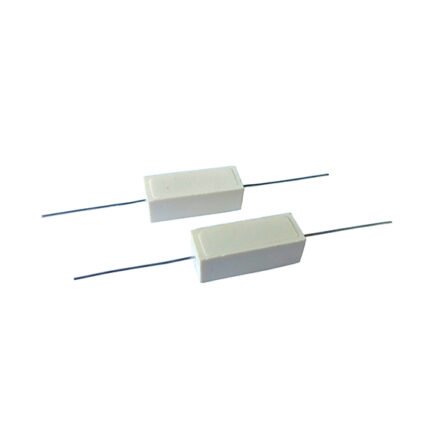
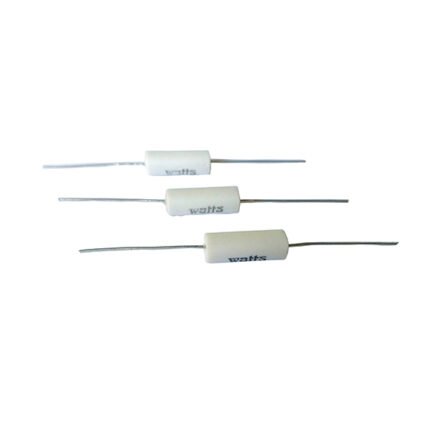
The WCSB/WCST/WCSV low ohm current sensing resistors are manufactured with high purity Ni-Cr/Cu-Ni element. These are ceramic encased resistors. WATTS offers these resistors ranging from 2mΩ to 50mΩ, having power rating from 2W to 10W.

- WCSB is axial type ceramic boat encased resistor.
- WCSV is vertical type ceramic boat encased resistor.
- WCST is axial type ceramic tube encased resistor.
LOW OHM CURRENT SENSING RESISTORS OPEN FRAME
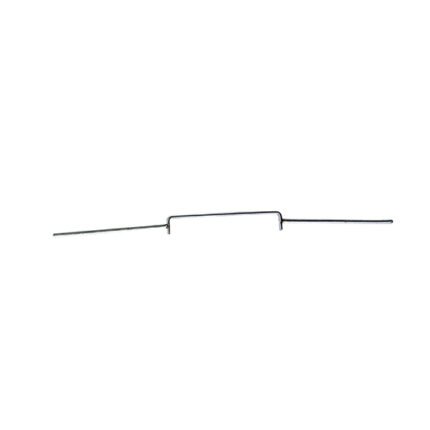
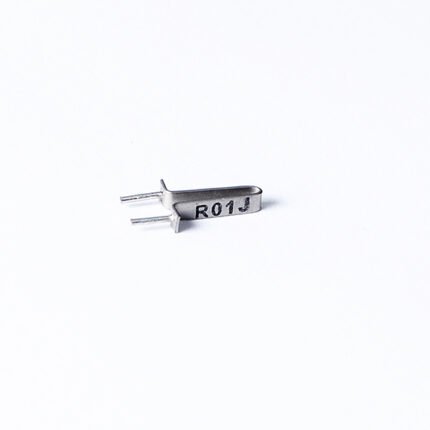
The WCSOA/WCSOR/WCSOV low ohm current sensing resistors are manufactured with high purity Ni-Cr/Cu-Ni element. These are open type resistors. WATTS offers these resistors ranging from 2mΩ to 20mΩ, having power rating from 2W to 10W.

- WCSOA is axial type resistor.
- WCSOR is radial pre-formed type resistor.
- WCSOV is PCB mounting shunt type resistor.


METAL FILM MELF RESISTORS
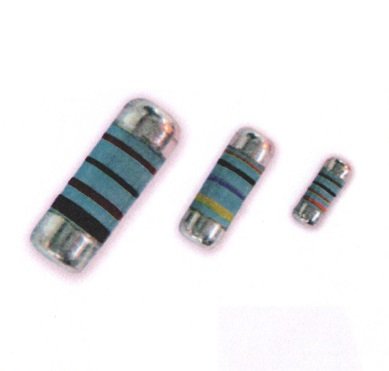
The WMF MELF series Metal Film MELF Resistors are manufactured using the latest Magnetron Vacuum Sputtering System. This ensures a very stable resistive medium having a very low temperature coefficient. The resistors are insulated with layers of lacquer. The WMF MELF series resistors are suitable for surface mount technologies.

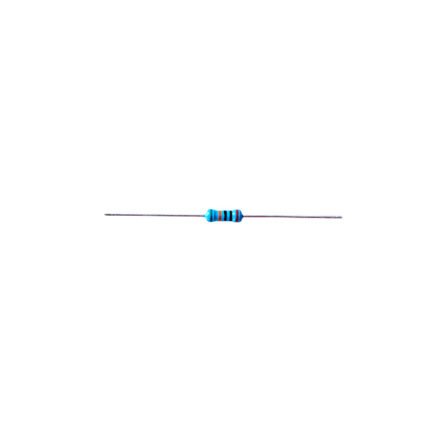
METAL FILM RESISTORS
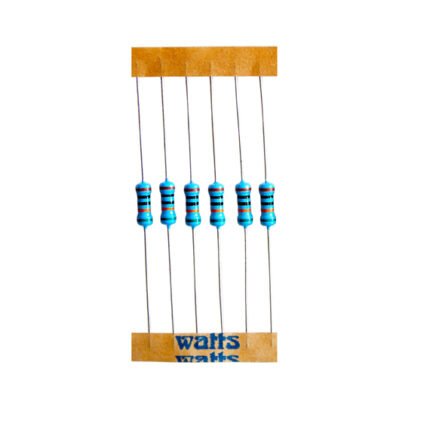
The WMF series Metal Film Resistors are manufactured using the latest Magnetron Vacuum Sputtering System. This ensures a very stable resistive medium having a very low temperature coefficient. The resistors are insulated with layers of light blue lacquer. The WMF series offer a wide range of power rating (0.125W, 0.25W, 0.40W, 0.50W, 1W, 2W & 3W), tolerances (0.1%, 0.5%, 1%, 2%, 5%) and TCRs (15, 25,50 & 100 ppm/ºC)

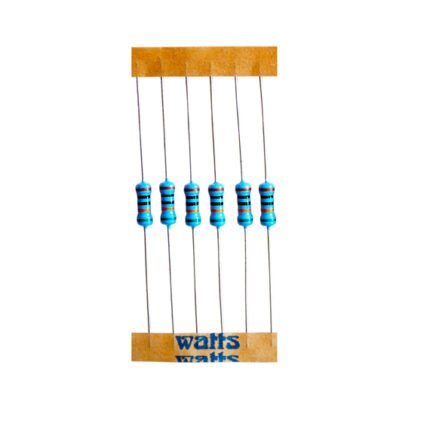
METAL GLAZE RESISTORS
The WMG Series Metal Glaze Resistors are manufactured with the latest sintering process to get the most stable thick metal glaze film. The resistors are insulated with light blue lacquer. WMG series offers a wide range of power rating (0.25W, 0.50W, 1W & 2W) in tolerance ±1% and ±5% with TCR less than 100 ppm/ºC

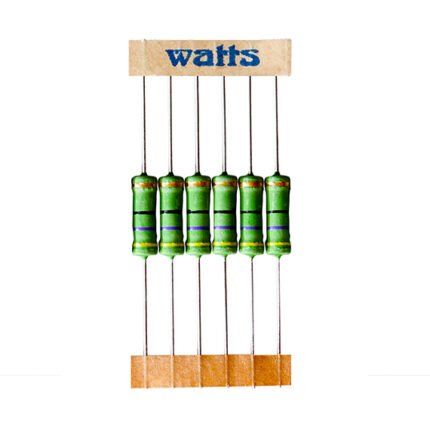
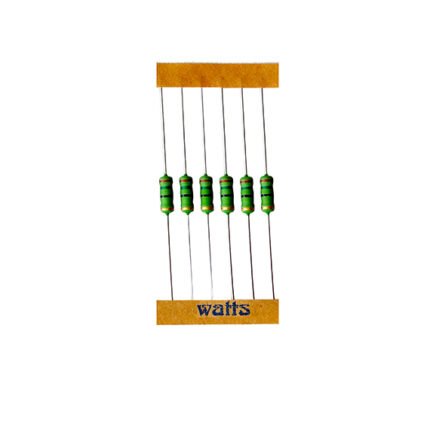
METAL OXIDE FLAME PROOF RESISTORS
The WMO series Metal Oxide Film Resistors are manufactured using the latest technology to ensure a very stable resistive medium. The resistors are insulated with layers of flame proof epoxy. The WMO series offer a wide range of power rating (0.25W, 0.50W, 1W, 2W & 3W) having tolerance ranges of ±1 % & ±5 %

THICK FILM CHIP RESISTORS
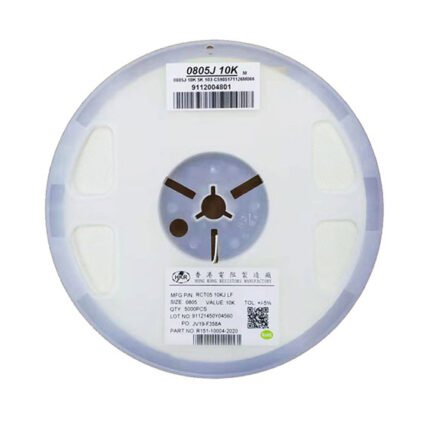
The CR series Thick Film Chip Resistors are manufactured by screening a metal glaze layer on a high grade ceramic body. The different resistance values are obtained by using different compositions of metal glaze. The end contacts are made to ensure optimum solderability. The resistive layer is then given a protective coating.
The CR series offer a wide range of power ratings from 1/20W to IW and are available in tolerance ranges of ± 1 % and ±5% % with insulation Resistance ≥ 1000MΩ. .Miniature size, excellent mechanical strength and electrical stability ensures reduced costs and enhances dependability.